


Understanding Glue Filling Machine Specifications: A Buyer's Guide
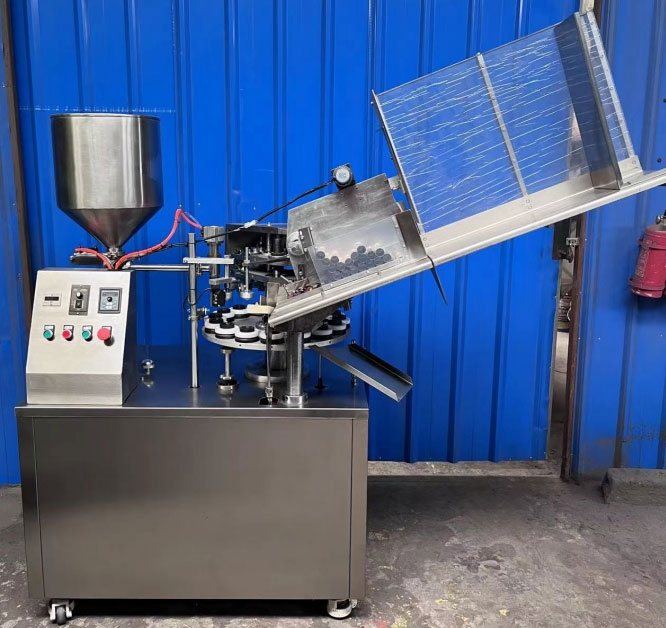
Selecting the right glue filling machine requires understanding key specifications. This guide explains what each parameter means and why it matters.
1. Model and Type
The JGF series includes three models, each suited to different production needs:
| Model | Key Feature | Best For |
|---|---|---|
| JGF-A | Manual tube feeding | Small operations, flexible changeovers |
| JGF-B | Manual feeding + automatic orientation | Medium volume, consistency focus |
| JGF-C | Automatic feeding + orientation | High volume, minimal labor |
2. Capacity (Speed)
Specification: JGF-C offers 30-50 pieces per minute.
Why It Matters: Speed directly impacts production capacity. Calculate your required output per shift to determine if this speed meets your needs.
Comparison: Semi-automatic models may offer 20-40 pcs/min, while high-end systems like the Nordenmatic 902 reach 100-120 tubes/min.
3. Filling Range
Specification: 5-300 ML, customizable.
Why It Matters: This range covers most tube packaging needs—from small 5ml samples to 300ml industrial tubes. Ensure your required fill volume falls within this range.
4. Tube Diameter and Length
Specification: Diameter 10-50mm, length 50-180mm (JGF-C).
Why It Matters: Container dimensions must match machine capabilities. The JGF-C accommodates most standard aluminum tube sizes.
5. Precision (Measuring Error)
Why It Matters: Precision affects product cost and regulatory compliance. For expensive adhesives, even 1% overfill adds significant cost. Many glue filling machines aim for ±1% accuracy.
6. Construction Material
Specification: Stainless steel contact parts.
Why It Matters: Stainless steel provides corrosion resistance and cleanliness. For food or pharmaceutical applications, SUS304 or SUS316 is critical.
7. Power and Voltage
Specification: 220V, 50Hz (customizable), 1.1kW motor.
Why It Matters: Ensure your facility's power supply matches machine requirements. The JGF-C can be customized to local voltage standards.
Optional Features (Critical for Adhesives)
Comparison with Other Machine Types
Use Case: Super Glue (502 Glue)
For manufacturers producing cyanoacrylate (super glue, 502 glue), the JGF-C with gas protection option is an ideal choice. This prevents solidification that would otherwise make the product unusable.





